
You Will Pass Zscaler ZDTA. Here's How
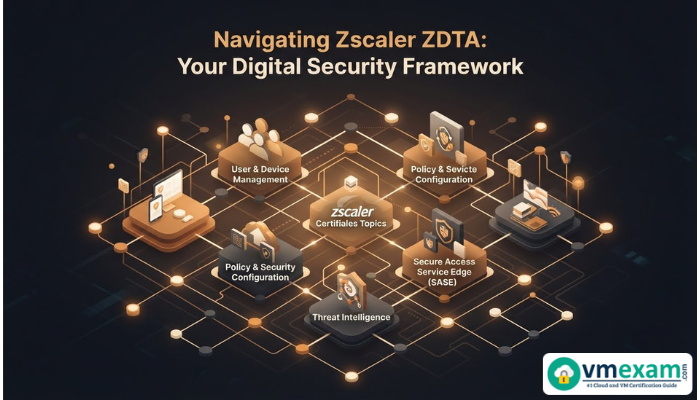
The Zscaler ZDTA certification validates an administrator's ability to implement, configure, and manage Zscaler Digital Transformation Platform solutions, focusing specifically on Zscaler Private Access (ZPA) and Zscaler Internet Access (ZIA) services. Achieving this credential demonstrates expertise in securing applications and data in a zero trust environment, a critical skill for modern cloud security architects and administrators. This comprehensive guide provides an actionable roadmap to help you successfully prepare for and pass the Zscaler ZDTA exam, covering essential details, syllabus areas, and effective study strategies.
Establishing ZDTA Exam Essentials
Understanding the fundamental structure and requirements of the Zscaler Digital Transformation Administrator (ZDTA) exam is the first step toward effective preparation. This certification is designed for professionals who manage Zscaler solutions, ensuring they possess the practical knowledge to maintain secure digital access.
The ZDTA exam, coded ZDTA, assesses your proficiency in administering Zscaler's leading cloud security platform. Knowing the exam's format and expectations helps candidates tailor their study approach. For instance, being aware of the question count and time limit allows for strategic pacing during the actual test. Successfully passing demonstrates a candidate's readiness to tackle complex digital transformation challenges securely.
-
Exam Code: ZDTA
-
Exam Name: Zscaler Digital Transformation Administrator
-
Exam Price: $300 USD
-
Duration: 90 minutes
-
Number of Questions: 60
-
Passing Score: 80%
Unpacking the Zscaler ZDTA Syllabus: Core Domains
A deep dive into the Zscaler ZDTA exam objectives reveals the breadth of knowledge required to excel. The syllabus is structured around key functional areas of the Zscaler platform, with varying weightages emphasizing critical components of zero trust access administration and digital transformation security concepts. Mastering each domain ensures a holistic understanding of Zscaler's capabilities.
Candidates should prioritize study efforts based on the percentage weighting for each section, dedicating more time to areas with higher representation on the exam. A detailed review of these topics is crucial for identifying knowledge gaps and building a robust study plan. This section will break down each domain, highlighting what you need to focus on for comprehensive preparation.
-
Policy & Security Configuration (29%): This is the largest domain, underscoring the importance of correctly configuring security policies. It covers advanced policy settings, security controls for both ZIA and ZPA, and ensuring compliance with organizational security postures. Candidates must understand how to define access policies, content inspection rules, and threat prevention mechanisms across the Zscaler platform.
-
User & Device Management (18%): This section focuses on the administration of users and devices within the Zscaler ecosystem. It involves understanding identity management, user authentication methods, device posture checks, and the deployment of Zscaler Client Connector. Proper configuration ensures that only authorized users and devices can access critical applications and resources, aligning with zero trust principles.
-
Platform Management (18%): Managing the Zscaler platform itself is central to this domain. Topics include understanding Zscaler architecture, configuring tenants, managing administrators, and configuring essential services. This also covers the deployment and management of various Zscaler components like App Connectors, Service Edges, and Cloud & Private Service Edges. Proficiency here ensures the platform operates efficiently and securely.
-
Monitoring, Reporting & Analytics (13%): The ability to monitor network traffic, generate insightful reports, and analyze security events is vital for maintaining a strong security posture. This domain covers dashboard navigation, log analysis, alert configuration, and custom report generation. Candidates should be adept at identifying security incidents and understanding user behavior patterns using Zscaler's analytics tools.
-
Troubleshooting & Incident Response (13%): When issues arise, quick and effective troubleshooting is paramount. This section tests your ability to diagnose common problems related to user access, application connectivity, and policy enforcement. It also delves into incident response procedures, leveraging Zscaler logs and tools to resolve security events efficiently and minimize disruption.
-
Integration & Optimization (9%): The smallest but equally important domain, focusing on integrating Zscaler with other security solutions and optimizing platform performance. This includes understanding API integrations, SIEM integration, and best practices for optimizing ZIA and ZPA deployments. Familiarity with these concepts ensures a scalable and interconnected security environment.
For more detailed information on specific syllabus areas and the blueprint for digital transformation administration, you can refer to Zscaler's Digital Transformation Admin Blueprint.
The Impact of Zscaler Digital Transformation Administrator Certification
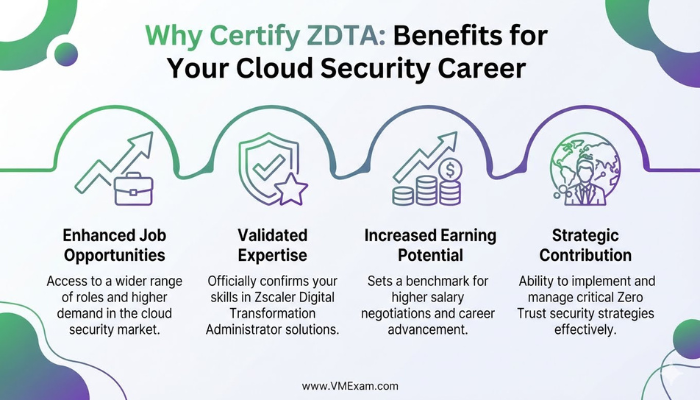
Earning the Zscaler Digital Transformation Administrator certification offers substantial professional advantages, solidifying your expertise in a rapidly evolving cybersecurity landscape. This credential signals to employers that you possess the specialized skills required to implement and manage critical zero trust access solutions, making you a valuable asset in roles focused on secure digital transformation. The ZDTA certification aligns with the growing demand for professionals who can navigate complex cloud security challenges and ensure seamless, secure access for distributed workforces.
Professionals with this certification often find themselves better positioned for advancement in roles such as cloud security engineer, network security administrator, or security architect. It not only enhances your resume but also validates your ability to contribute directly to an organization's security posture and strategic initiatives. This focus on practical administration and policy enforcement is highly relevant for today's hybrid cloud environments, which rely heavily on robust secure access solutions like Zscaler's.
Beyond individual career growth, the ZDTA credential helps organizations build a team capable of maximizing their investment in Zscaler technology. Certified administrators can optimize platform performance, troubleshoot issues effectively, and proactively enhance security policies, directly contributing to operational efficiency and risk reduction. This makes the certification a win-win for both the individual and their employer.
Crafting Your ZDTA Exam Preparation Strategy
Effective preparation for the Zscaler ZDTA exam requires a multi-faceted approach, combining structured learning with practical application. Simply memorizing facts is not sufficient; a deep understanding of concepts and hands-on experience are crucial. Developing a comprehensive study plan is paramount to covering all exam objectives thoroughly.
Leveraging Official Zscaler Training and Resources
Begin your preparation by utilizing the official training materials provided by Zscaler. These resources are specifically designed to cover the ZDTA exam syllabus and often include detailed documentation, video lectures, and lab exercises. The Zscaler Cyber Academy, for instance, offers structured courses that align directly with the certification requirements. Engaging with these materials ensures you are learning from authoritative sources and covering the exact topics tested.
Consider enrolling in an official Zscaler Digital Transformation Administrator training course if available. These courses often provide in-depth explanations and practical demonstrations that can clarify complex topics. Reviewing the Zscaler certification official page will provide details on recommended training paths and study guides, which are invaluable for guiding your learning journey.
Gaining Practical Experience with Zscaler Solutions
Theory alone will not suffice for an exam that heavily tests administrative capabilities. Hands-on experience with the Zscaler platform is indispensable. Work through labs, deploy Zscaler components, and configure various policies in a test environment. This practical exposure will solidify your understanding of how different configurations impact network traffic, user access, and security enforcement.
Focus on tasks related to user onboarding, device posture configuration, setting up access policies for private applications (ZPA), and managing internet access policies (ZIA). Practice troubleshooting common issues that arise during deployment and operation. The more you interact with the platform, the better equipped you will be to answer scenario-based questions on the exam.
Utilizing ZDTA Practice Exam Questions and Reviews
As you progress through your studies, regularly test your knowledge with ZDTA practice exam questions. These practice tests help you become familiar with the exam format, identify areas where you need further study, and improve your time management skills. They simulate the actual testing environment, reducing anxiety on exam day.
After taking a practice exam, thoroughly review both your correct and incorrect answers. Understand why a particular answer was right or wrong, and use this feedback to refine your knowledge. Platforms like VMExam offer ZDTA practice questions that can be an integral part of your review process, helping you gauge your readiness and focus on weak points without relying on unethical exam dumps.
Understanding Zero Trust Access Administration Principles
The Zscaler ZDTA certification is fundamentally rooted in the principles of zero trust access administration. This paradigm shift in security dictates that no user or device is trusted by default, regardless of whether they are inside or outside the network perimeter. Every access request is authenticated, authorized, and continuously monitored. For the ZDTA exam, candidates must grasp how Zscaler implements these principles.
Key concepts include micro-segmentation, identity-centric security, and contextual access. You should understand how Zscaler separates the control plane from the data plane, how policies are enforced at the edge, and how user and application segmentation minimizes the attack surface. This conceptual understanding forms the backbone of all practical configurations you'll perform with Zscaler's ZIA and ZPA services. Familiarity with these underlying security concepts is essential for interpreting and applying Zscaler policies effectively.
Sustaining Expertise: Post-Certification Growth for ZDTA Professionals
Earning your Zscaler Digital Transformation Administrator certification is a significant milestone, but it also marks the beginning of a continuous learning journey. The cybersecurity landscape is dynamic, with new threats and technologies emerging constantly. Maintaining and advancing your expertise ensures your ZDTA credential remains valuable and your skills stay current.
Post-certification growth involves staying updated with Zscaler's product enhancements, new features, and best practices. Regularly review Zscaler documentation, attend webinars, and engage with the Zscaler community. Participating in forums and sharing experiences with other certified professionals can provide valuable insights and practical tips. Continuous learning not only reinforces your existing knowledge but also prepares you for higher-level Zscaler certifications or specialized roles. This commitment to ongoing professional development is a hallmark of successful cloud security administrators.
Conclusion
The Zscaler Digital Transformation Administrator (ZDTA) certification is a powerful credential for any IT professional navigating the complexities of modern cloud security and zero trust architectures. By meticulously understanding the exam structure, diving deep into the syllabus domains, and employing a disciplined preparation strategy, you are well-equipped to succeed. The journey demands dedication to both theoretical knowledge and practical, hands-on experience with the Zscaler platform.
Embrace the challenge, leverage the official resources, and practice diligently. Your commitment to mastering Zscaler's capabilities will not only lead to a successful exam outcome but will also significantly enhance your career trajectory in the burgeoning field of digital transformation security. Take the definitive step towards securing your expertise and validating your skills in zero trust access administration.
FAQs
1. What is the Zscaler Digital Transformation Administrator (ZDTA) certification?
The Zscaler Digital Transformation Administrator (ZDTA) certification validates an individual's skills in implementing, configuring, and managing Zscaler's core cloud security services, primarily Zscaler Internet Access (ZIA) and Zscaler Private Access (ZPA), for secure digital transformation.
2. Who should pursue the Zscaler ZDTA certification?
The ZDTA certification is ideal for network administrators, security engineers, cloud security professionals, and architects who are responsible for deploying, managing, and troubleshooting Zscaler solutions in an enterprise environment, focusing on zero trust access.
3. How long does the Zscaler ZDTA exam typically last?
The Zscaler ZDTA exam has a duration of 90 minutes, during which candidates must answer 60 multiple-choice questions. Time management is crucial for successfully completing the exam.
4. What are the primary benefits of earning the ZDTA certification?
Earning the ZDTA certification enhances career opportunities in cloud security, validates expertise in zero trust principles, demonstrates proficiency with Zscaler's leading platform, and can lead to increased professional credibility and earning potential within the cybersecurity domain.
5. Are there any prerequisites for taking the Zscaler ZDTA exam?
While Zscaler does not typically enforce strict prerequisites, candidates are generally expected to have a foundational understanding of networking, security concepts, and some practical experience with Zscaler products or similar cloud security platforms before attempting the ZDTA exam.
- ZDTA |
- ZDTA Digital Transformation Administrator |
- ZDTA Mock Test |
- ZDTA Practice Exam |
- ZDTA Prep Guide |
- ZDTA Questions |
- ZDTA Simulation Questions |
- Zscaler Digital Transformation Administrator Certification Questions and Answers |
- Digital Transformation Administrator Online Test |
- Digital Transformation Administrator Mock Test |
- Zscaler ZDTA Study Guide |
- Zscaler Digital Transformation Administrator Exam Questions |
- Zscaler Administrator Certification |
- Zscaler Digital Transformation Administrator Cert Guide |
- Digital Transformation Administrator Certification Mock Test |
- Digital Transformation Administrator Simulator |
- Digital Transformation Administrator Mock Exam |
- Zscaler Digital Transformation Administrator Questions |
- ZDTA Books |
- ZDTA Exam Cost |
- ZDTA Passing Score |
- ZDTA Syllabus |
- Digital Transformation Administrator Exam Books |
- Zscaler Digital Transformation Administrator Certification |
- Digital Transformation Administrator Certification Syllabus |
- Digital Transformation Administrator Exam Prep Guide


